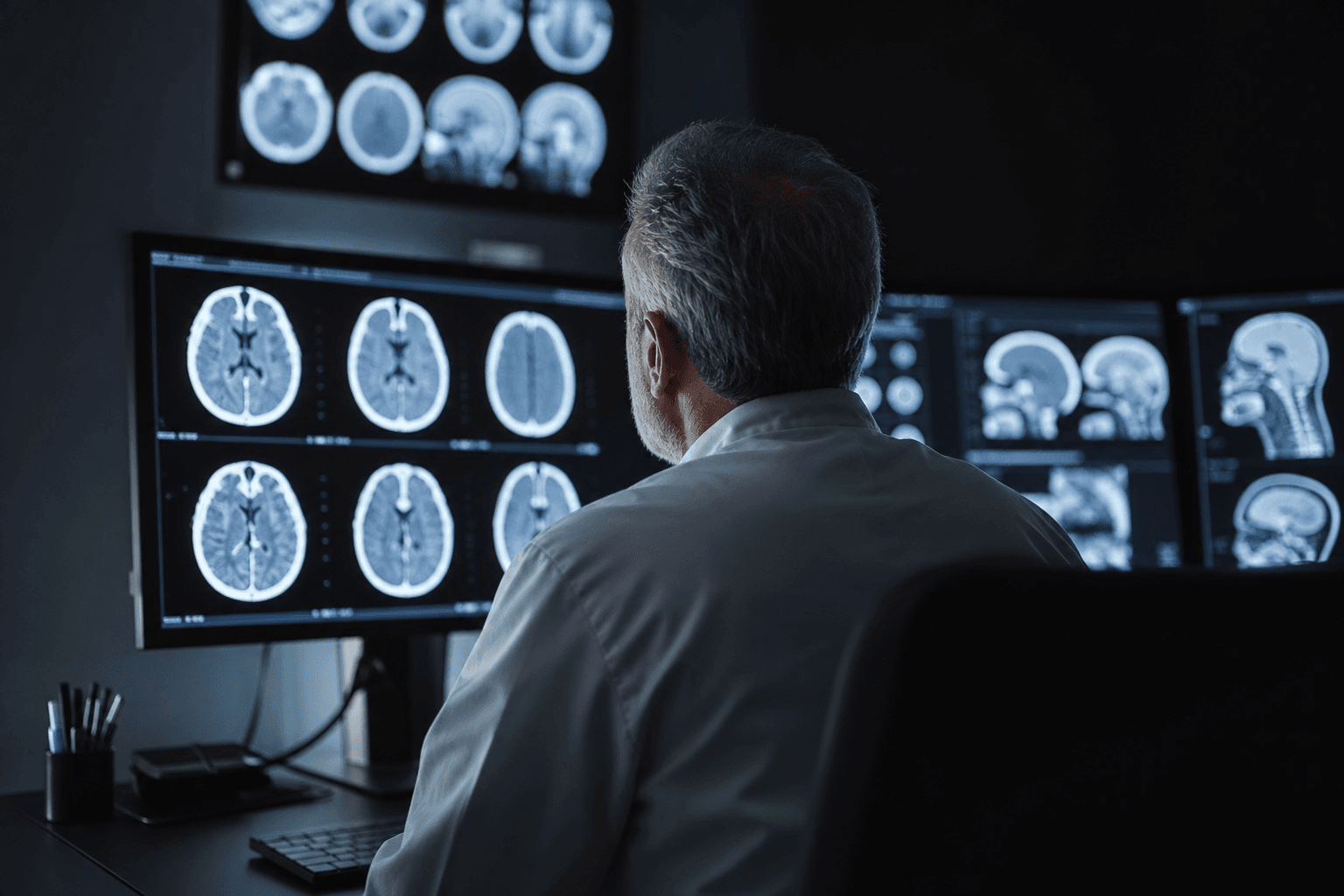
Imaging AI built into
the radiology workflow

CT hemorrhage triage, specialty ultrasound analysis, imaging QA, and AI review portals — deployed inside your PACS and RIS, not beside them. Critical findings reach the right radiologist before delays compound.

fits your worklist
PACS-native
fits your worklist
your data stays yours
On-prem or cloud
your data stays yours
the radiologist stays the reader
Assistive AI
the radiologist stays the reader
AI Triage WorklistLive
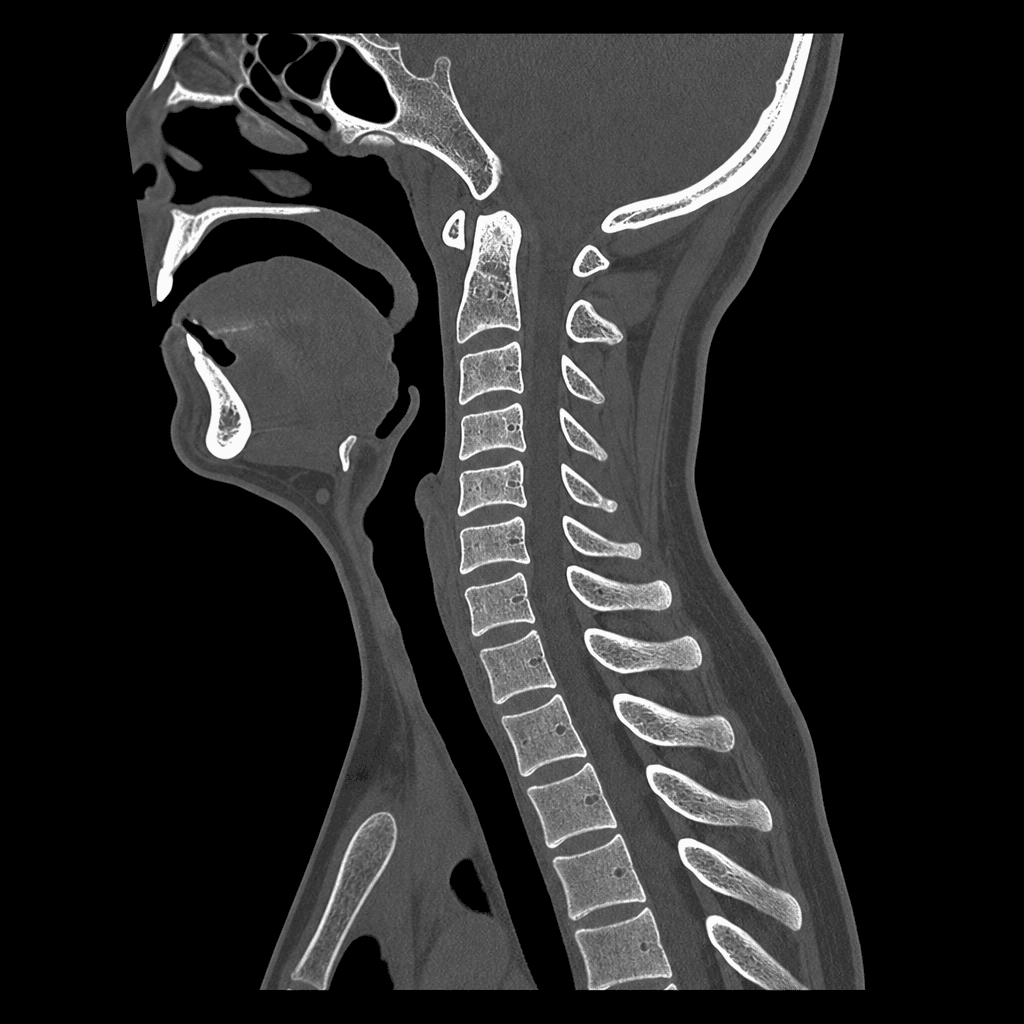
RLCT C-Spine · R. KimSCANNING
Queue · by AI priority5 studies

M. Torres

CT Head

STAT

L. Chen

CT Head

STAT

A. Nguyen

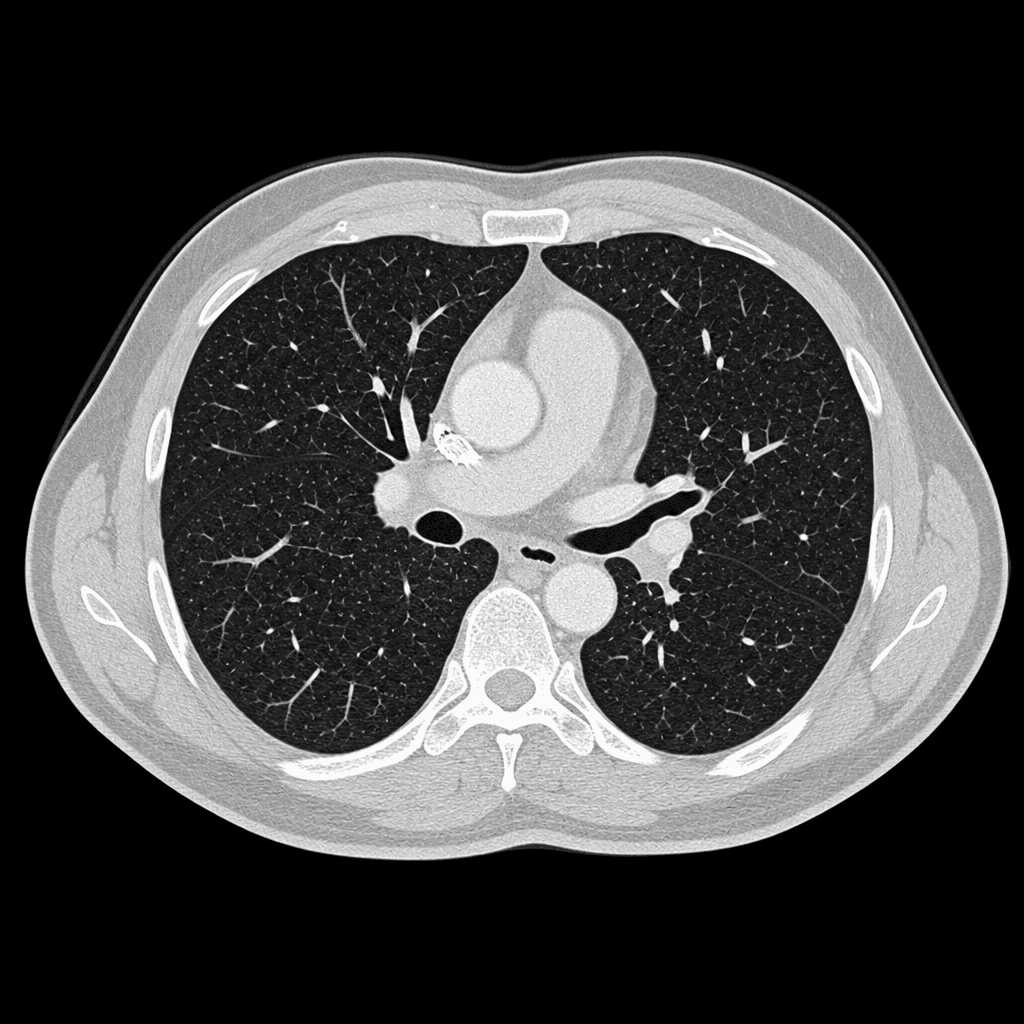
CT Chest

Routine

J. Williams

US Abdo

Routine

R. Kim

CT C-Spine

Analyzing
DICOM 3.0 · PACS-integratedWorklist-integrated
The Challenge

One study, two timelines

How the same overnight head CT plays out with and without image-level triage. Illustrative scenario — timings vary by site.

22:47

A head CT lands in the queue

An anticoagulated patient arrives after a fall. The ED orders a non-contrast head CT — routine priority, because nothing in the requisition says hemorrhage. The study joins the overnight worklist at position 14.

Without prioritization

The worklist can't see the bleed

First-in, first-out ordering reads the requisition, not the image. With one radiologist covering the overnight list, a critical finding can sit unread for hours while routine studies drain ahead of it.

22:47:26

The image itself raises its hand

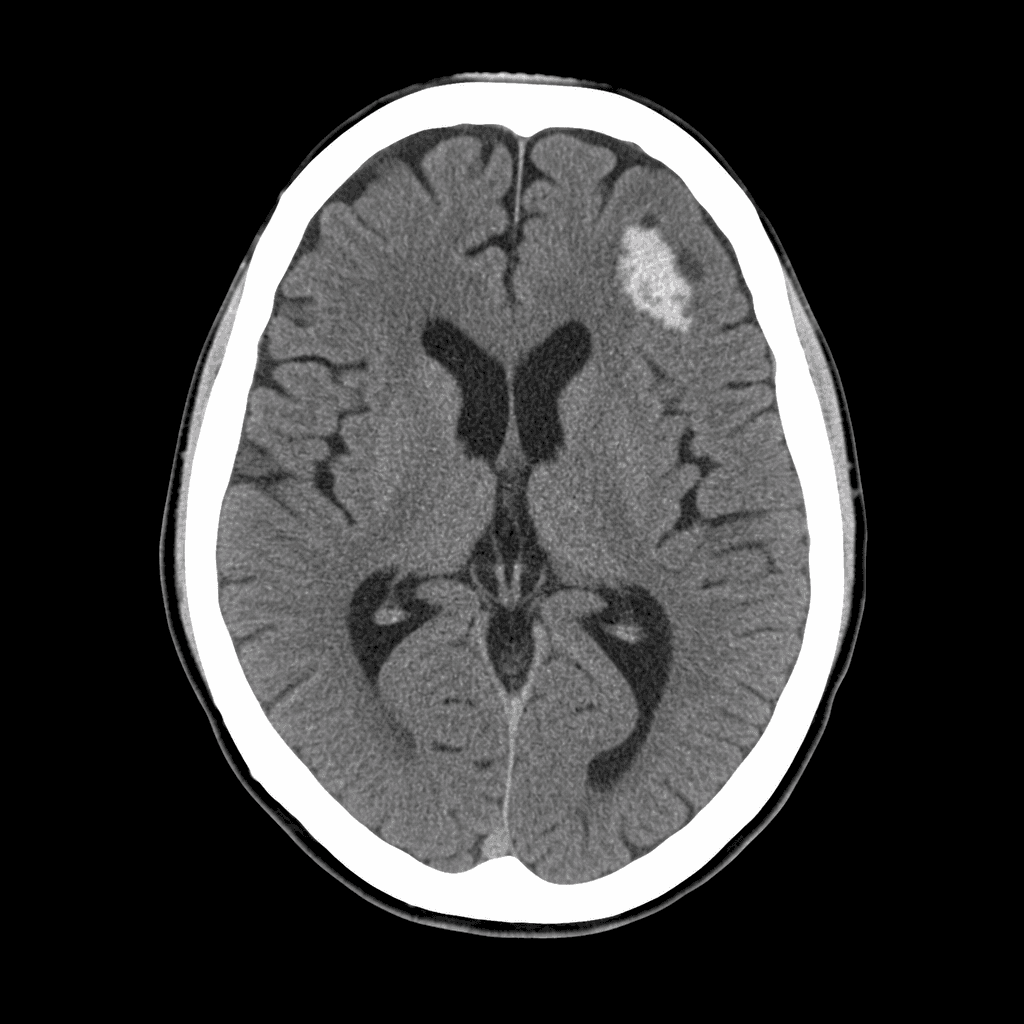
Moments after acquisition, the triage model flags a suspected intracranial hemorrhage. The study jumps to the top of the PACS worklist and the on-call radiologist is paged — no one had to suspect anything.

22:59

Read, reported, acted on

The radiologist opens the study twelve minutes after acquisition. Neurosurgery is consulted before midnight. Same scanner, same staffing, same night — the only thing that changed is the order of the queue.

Inside the Read

See what the model sees

Drag the divider. The right side is what the AI hands back to PACS — the suspected finding localized and outlined on the source study.

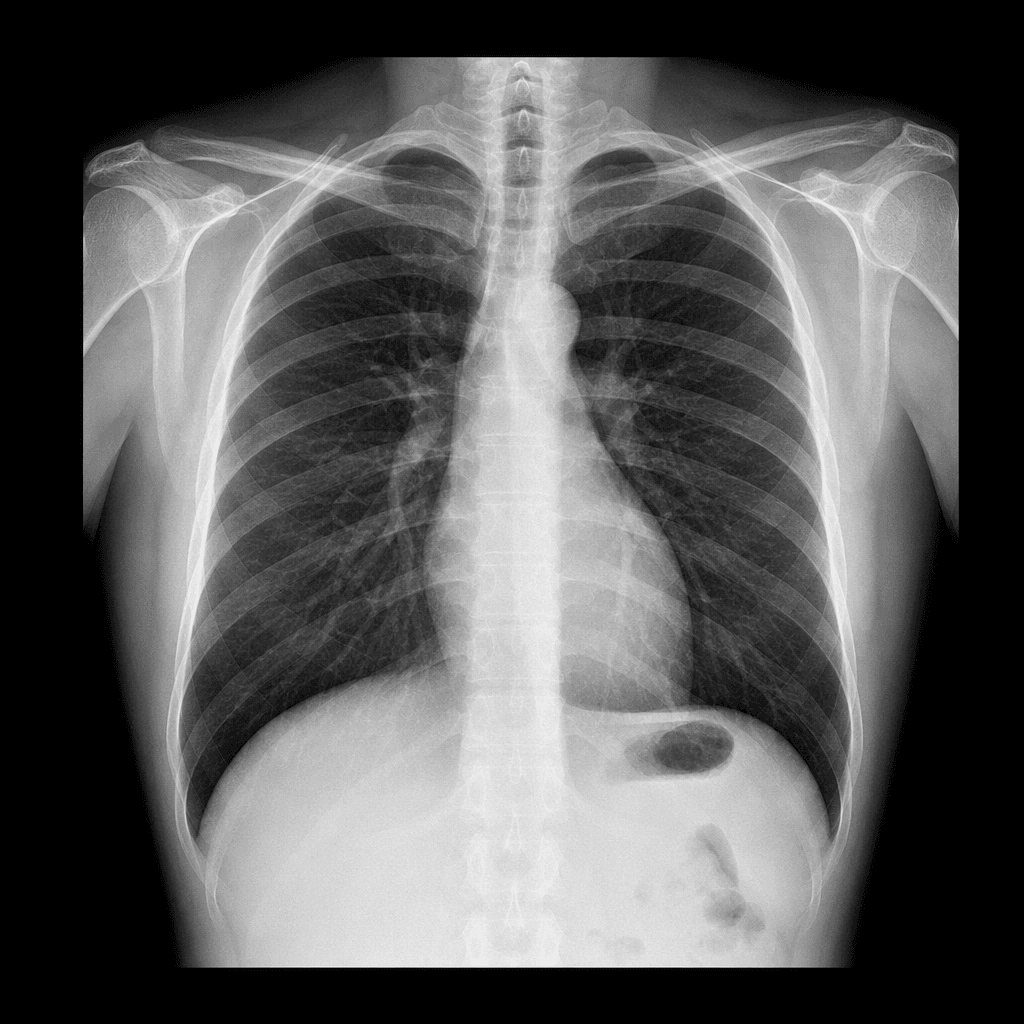
Axial head CT slice — illustrative generated imagery, not patient dataSource · CT head, axial
Radiologist viewAI overlay

What happens next

Region of interest localized on the source study
Study escalated to the top of the worklist
On-call radiologist paged automatically
Overlay opens alongside the study in PACS

Results arrive as structured objects, not screenshots — localized, labeled, and ready to drop into the report or trigger an escalation rule.

DICOM-SRSecondary captureHL7 ORU / FHIR

Illustrative render · generated imagery, not diagnostic output

What We Deploy

Imaging AI for radiology teams

Four capabilities, one integrated reading workflow — validated against operational data before go-live. Read them at your own pace.

Escalation paththresholds: configurable
CT-0491
STAT
CT-0487
STAT
CT-0489
Urgent
CT-0485
Urgent
US-0483
Routine

→ STAT studies routed to on-call neuroradiology

01 · Critical Finding Triage

The queue reorders itself around urgency

AI models surface time-sensitive findings — hemorrhages, mass effects, critical fractures — and escalate them to the top of the reading queue before a radiologist even opens the study.

Runs on CT Head, Chest, and C-Spine studies as they arrive, with configurable escalation thresholds and automated routing to on-call staff.

CT hemorrhage triageCT Head / Chest / C-SpineWorklist escalation
Right knee · effusion volume

6 visits tracked

Progression flagged
Jan
Mar
May
Jul
Sep
Nov

Rising

Trend

Flagged

Progression

Point-of-care

Review

02 · Specialty Ultrasound AI

Progression caught between visits, not after

Longitudinal ultrasound analysis for specialty programs like hemophilia care — tracking effusion volumes, synovial thickness, and joint health across visits to catch progression early.

Multi-joint assessment with automated volume measurement, visit-over-visit delta tracking, and clinician-facing trend dashboards built for point-of-care review.

Longitudinal ultrasoundEffusion trackingVisit-over-visit deltas
QA batch · 6 studies4 pass · 1 warn · 1 fail
XR-8241

pass

XR-8242

pass

XR-8243

warn

XR-8244

pass

XR-8245

fail

XR-8246

pass

MotionExposurePositioningField of view
03 · Imaging QA Automation

Artifacts caught at acquisition, not at reporting

Automated quality checks catch motion artifacts, positioning errors, and exposure issues at the point of acquisition — reducing retakes and protecting diagnostic accuracy downstream.

Multi-criteria evaluation across motion blur, exposure consistency, anatomical positioning, and field-of-view compliance, with pass/fail/warn classification per study.

Point-of-acquisitionPass / warn / failBatch processing
AI Review Portalsynced with PACS
CT Head · M. Torres

AI findings

Suspected hemorrhage flagged
Escalated to the top of the queue
Report template pre-filled
Insert into reportEscalate
04 · AI-Integrated Review Portals

AI findings inside the reading workflow

PACS-centered review portals that centralize AI outputs alongside clinical context — so radiologists read smarter, not harder, with findings embedded in their existing workflow.

DICOM/PACS/RIS integration, role-based access, AI finding overlays, structured reporting templates, and real-time sync with reading room infrastructure.

PACS-native portalDICOM / PACS / RISStructured reporting
Integration

Inside your PACS, not beside it

A DICOM-native pipeline that plugs into the infrastructure you already run — from scanner to worklist, without opening another window.

Modalities

CT, MR, US, and XR route through your existing DICOM auto-forward rules — no changes at the scanner console.

DICOM Gateway

A C-STORE listener receives studies, de-identifies pixel and header data, and queues inference. Deployed as an on-prem appliance or container.

SofTx Inference

GPU-backed service scores studies in under 30 seconds — on-premise or in a private VPC. PHI never leaves your network.

PACS · RIS · Portal

Priority scores reorder the PACS worklist natively; STAT findings page on-call staff through your existing escalation channels.

DICOM 3.0 · C-STORE / C-FINDDICOM-SR resultsHL7 v2 · FHIROn-prem or private VPCPIPEDA / PHIPA
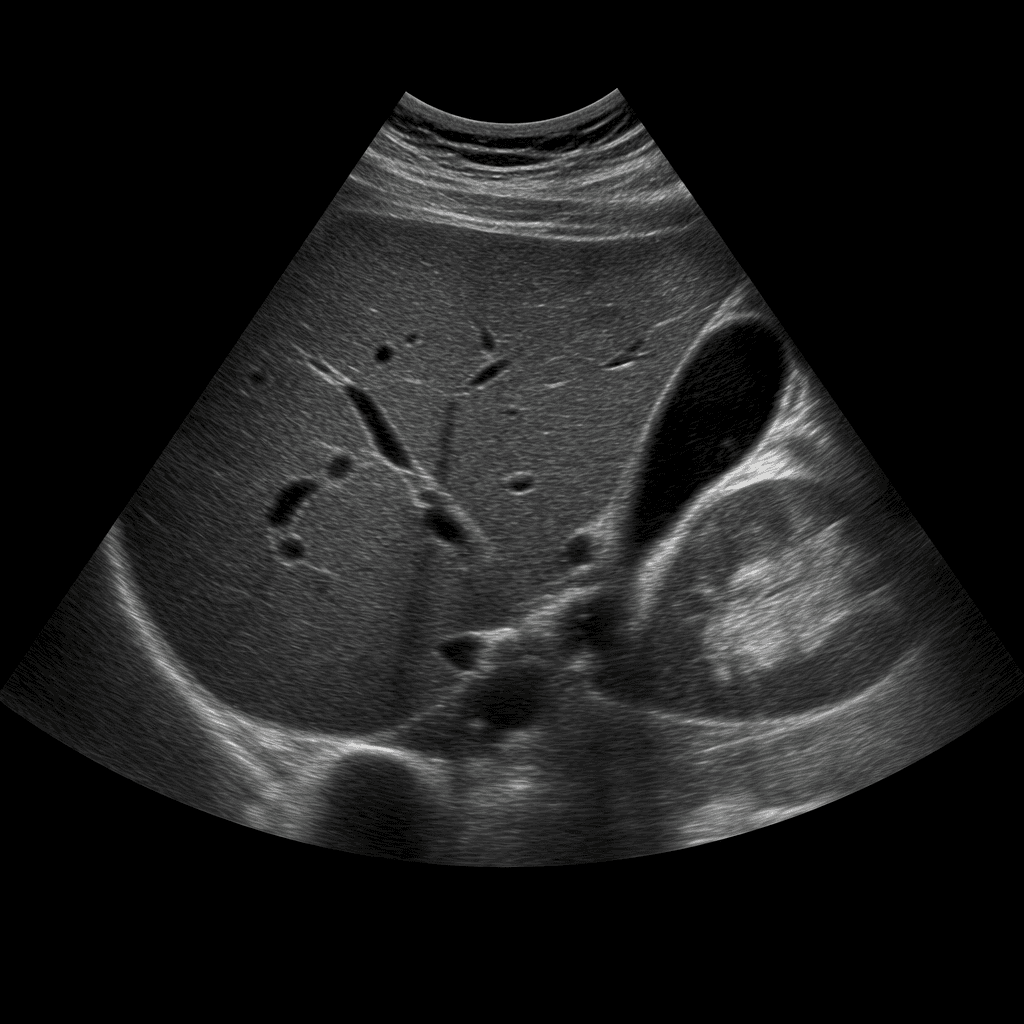
Two radiologists reviewing a flagged CT study together in a reading room

Critical findings shouldn't wait in a first-in, first-out queue.

The principle behind everything we deploy
DICOM 3.0PACS / RISOn-prem or cloud
Delivery Framework

How we deploy imaging AI

A proven four-phase process from clinical discovery to monitored production, designed to minimize disruption to reading workflows.

  1. 01

    Workflow Discovery

    Map reading-room operations, escalation rules, and modality-specific requirements with clinical stakeholders.

  2. 02

    Validation & Readiness

    Prepare datasets, validate model behavior, and align outputs to decision-support expectations before go-live.

  3. 03

    Integration & Rollout

    Connect to DICOM/PACS/RIS pathways and deploy through phased onboarding without disrupting reading habits.

  4. 04

    Monitoring & Iteration

    Track model and workflow performance, refine thresholds, and evolve deployment with operational feedback loops.

FAQ

Radiology AI, without the guesswork

PACS integration, validation, privacy, and timelines — answered the way we'd answer them on a first call.

Ask us something else

Studies are analyzed as they arrive, and time-sensitive findings are escalated to the top of the existing reading queue through direct PACS/RIS integration. Radiologists keep their reading habits; the worklist just gets smarter.

CT hemorrhage triage, specialty ultrasound analysis such as effusion and synovial tracking, imaging QA automation across motion, exposure, and positioning, and AI-integrated review portals that centralize outputs alongside clinical context.

No. Everything we deploy is assistive decision support: AI flags prioritize and pre-sort the queue so critical findings are seen sooner, while the radiologist remains the reader of record. Teams are trained to treat AI flags as a signal, not a verdict.

Yes — validation and model readiness is a dedicated phase of every deployment. We prepare datasets, validate model behavior against your case mix, and align outputs with your escalation thresholds before go-live.

Only if you want it to. We support on-premise edge deployment that keeps studies inside your infrastructure, or secure cloud deployment on AWS/Azure — both with PIPEDA/GDPR-aligned controls, audit trails, and role-based access.

Integrations are rolled out in phases — validation first, then a supervised go-live — so reading workflows are never disrupted. Timelines depend on your PACS/RIS environment; we scope them honestly up front.

Ready to see it on your worklist?

We'll map a realistic deployment path around your current PACS, RIS, and reading workflows — no commitment required.

PIPEDA & GDPRSOC 2 Type IIOn-premise or cloud