AI software solutions for healthcare providers

SofTx builds imaging AI, workflow automation, custom software and cybersecurity for hospitals, imaging networks and clinics in Canada. All of it connects to the PACS, RIS and EHR you already run.

Connects to
PACS, RIS and EHR through DICOM, HL7/FHIR and vendor APIs
Where data lives
On-premise inside your network, or secure cloud
Who it is for
Hospitals, imaging networks, radiology clinics and research teams
First build
Clickable prototype in about a week, pilot in 2–4 weeks

Pick the problem you need solved

Five services from one team. Start with the problem you have; each page goes into how the work is done.

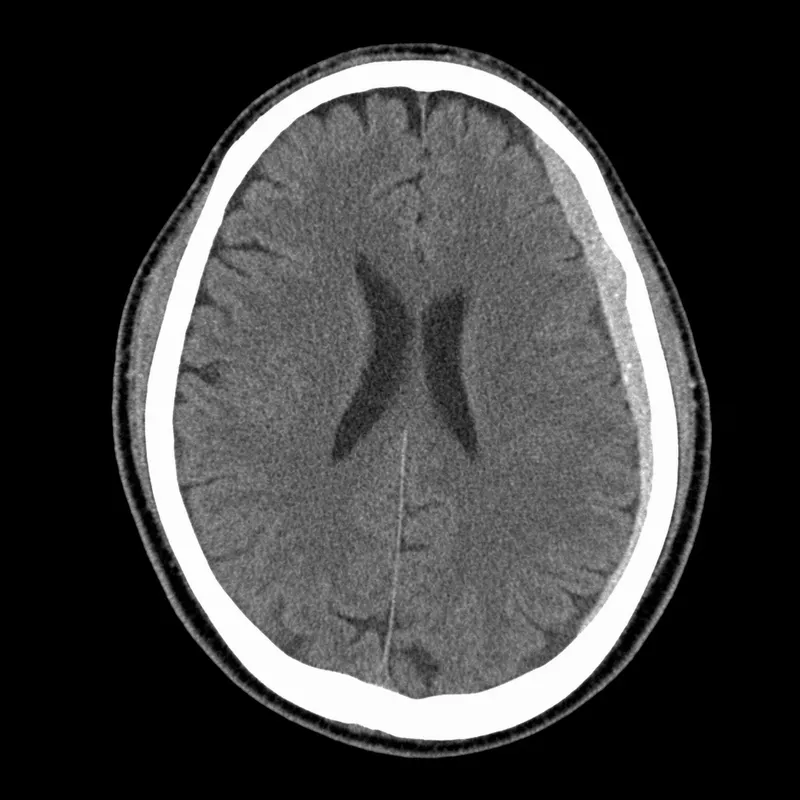
  • Imaging Intelligence

    Choose this when urgent studies wait in the same reading queue as routine ones.

    CT triage, ultrasound analysis, imaging QA and review portals that work inside your PACS and RIS.

    • Critical finding triage
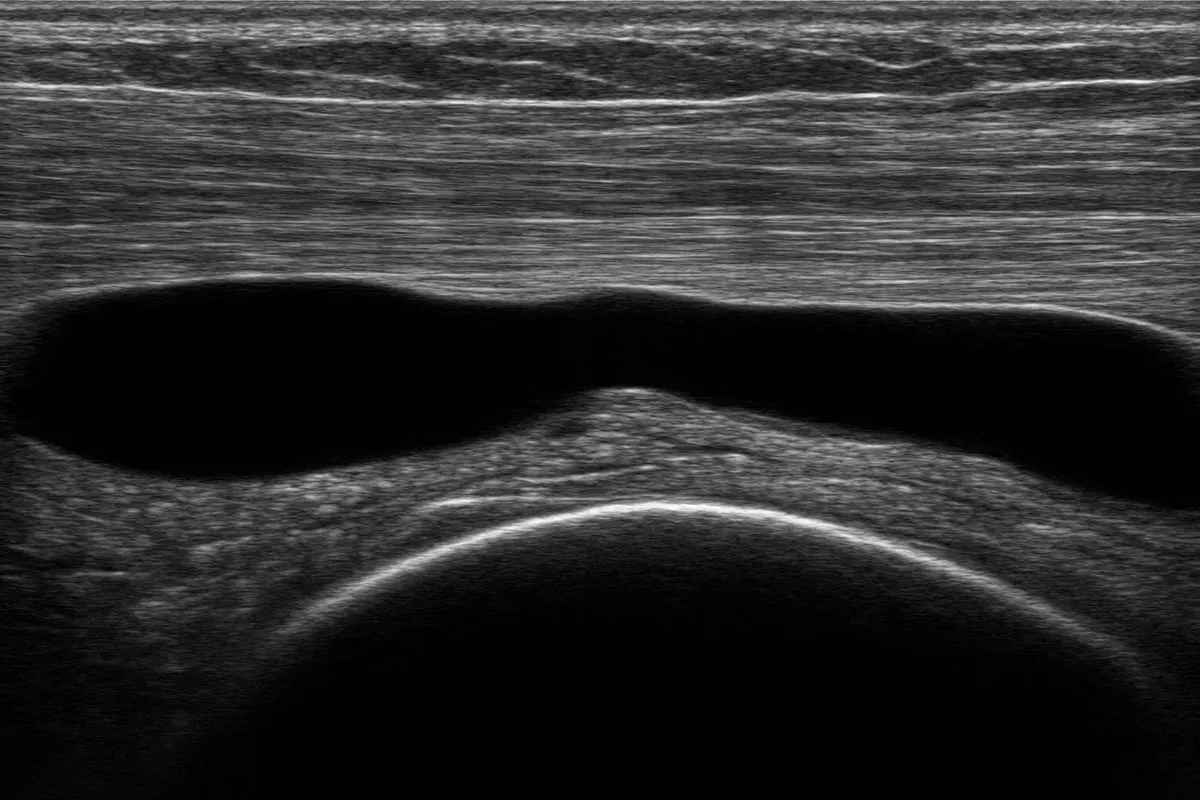
    • Specialty ultrasound AI
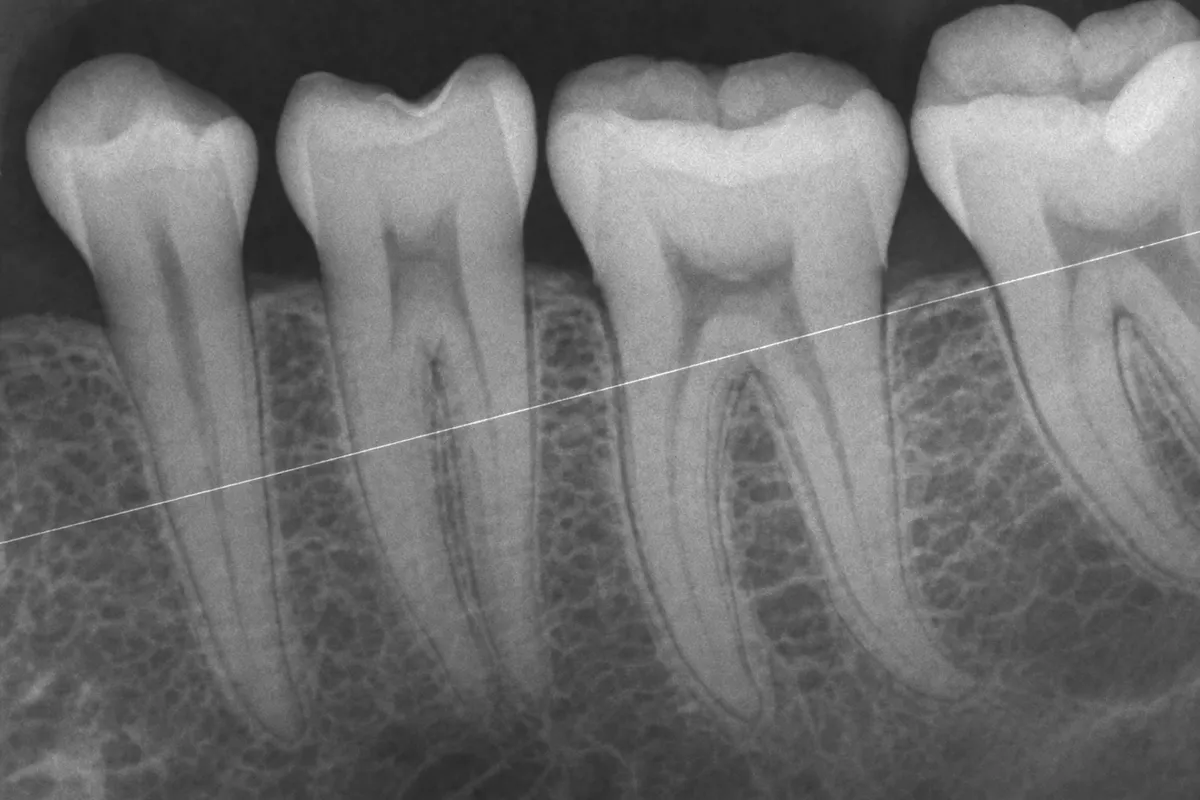
    • Imaging QA automation
    • AI-integrated review portals
  • Workflow Optimization

    Choose this when schedules, intake forms and referrals still run on spreadsheets and re-typing.

    Scheduling, digital intake and document automation that take recurring admin work off clinical teams.

    • Scheduling intelligence
    • Digital intake and patient pathways
    • Document automation
    • Meeting-to-action systems
  • Custom Solutions

    Choose this when no existing product fits, or you have data and an idea but no software yet.

    Healthcare software built to order, from raw data and prototype to a deployed, integrated product.

    • Rapid prototyping and MVPs
    • Domain-specific AI models
    • Production architecture
    • Systems integration
  • Healthcare Cybersecurity

    Choose this when you need to know what an attacker could reach, and want the team that finds a gap to fix it.

    Security testing and fixes for PACS, integrations, remote access and clinical AI.

    • Exposure assessment for AI-era attacks
    • PACS, HL7 and FHIR testing
    • Clinical AI security
    • Ransomware readiness
  • Healthcare Software in Canada

    Choose this when you are planning a build and need privacy law, licensing and data residency settled first.

    How we build for Canadian privacy law, Health Canada rules and data residency.

    • Provincial privacy law and PIPEDA
    • Health Canada device classification
    • Canadian data residency
    • Hospital cyber security obligations

The screens shown are illustrations with sample data, not screenshots.

What each path includes

Compliance, integration and support come with every path. They differ in where they start.

Capabilities included in Imaging Intelligence, Workflow Optimization and Custom Solutions
CapabilityImaging IntelligenceWorkflow OptimizationCustom Solutions
Deployable AI productsIncludedIncludedIncluded
PACS, RIS and DICOM integrationIncludedNot includedIncluded
EHR and HL7/FHIR connectivityNot includedIncludedIncluded
Scheduling and intake automationNot includedIncludedIncluded
Model training on your dataIncludedNot includedIncluded
Rapid prototyping and MVPsNot includedNot includedIncluded
On-premise or secure cloudIncludedIncludedIncluded
Audit trails and role-based accessIncludedIncludedIncluded

Security testing is a separate engagement, described on the healthcare cybersecurity page. For privacy law, Health Canada licensing and data residency, see healthcare software development in Canada.

Who you will work with

Medical imaging research from the University of Toronto and a product engineering team, in one company.

  • Pascal Tyrrell, Co-Founder & CEO

    Pascal Tyrrell

    Co-Founder & CEO

    Director of Data Science in the University of Toronto's Department of Medical Imaging.

  • Ali Geramy, Co-Founder & CTO

    Ali Geramy

    Co-Founder & CTO

    Leads technical strategy and product development across SofTx's AI and clinical software.

SofTx is founder-led: the people who scope your project are the people who build it. Read about the founders.

Before you pick a path

Integration, compliance, timelines and where to start.

Can you integrate AI with our existing medical software and systems?

Yes — integration is our default starting point, not an afterthought. We connect through DICOM 3.0, HL7/FHIR, and vendor APIs, and our middleware communicates bi-directionally with major PACS and RIS providers as well as EHR platforms like Epic and Cerner. Your teams keep their existing tools; AI results appear inside the workflows they already use.

Do you sell ready-made products or build custom software?

Our core work is custom: we design and build healthcare software end-to-end. Along the way we've shipped production systems for CT triage, specialty ultrasound analysis, scheduling, and digital intake for our clients — so new builds start from proven architecture, not a blank page.

How do you handle patient privacy and compliance?

Deployments follow PIPEDA and GDPR requirements with full audit trails and role-based access control. You choose the deployment model: on-premise edge servers that keep data inside your network, or secure cloud on AWS/Azure.

How long does a typical implementation take?

Custom builds start with a working prototype within the first sprints and a production-style pilot shortly after — so decisions are grounded in working software, not slide decks. Integration timelines depend on your environment; we scope them honestly up front.

Who do you work with?

Radiology clinics, imaging networks, hospitals, academic centers, and research teams — from single-clinic workflow automation to multi-site imaging AI programs across the healthcare ecosystem.

Not sure which path fits?

Tell us about the problem. We will point you to the right starting place, with no commitment.

We reply within one to two business days.